Five Card Draw Poker Rules: A Practical Decision Guide for Australian Players


If you have spent any time around a poker table in regional Queensland, you know the appeal is not flash. It is the quiet rhythm of a deal, a decision, and a showdown. Five card draw poker rules are straightforward, which is exactly why they still turn up in home games and low-key card nights across the state. I have run and sat in enough of these sessions to know that the rules matter less than the habits you build around them. Before you shuffle in, decide what you are actually trying to do: learn the hand rankings, manage your bankroll, or just understand why a pair of threes can beat a high card every time.
That same unhurried cadence carries straight into the digital rooms, where players still weigh every hand against the same patient instincts. You can feel that familiar Australian rhythm preserved in a modern online setting at https://lebanditdemoau.com/pokie/. It remains a place where the game slows down just enough for you to read the table, trust your read, and let the next deal come to you.
How the deal and the draw shape every hand
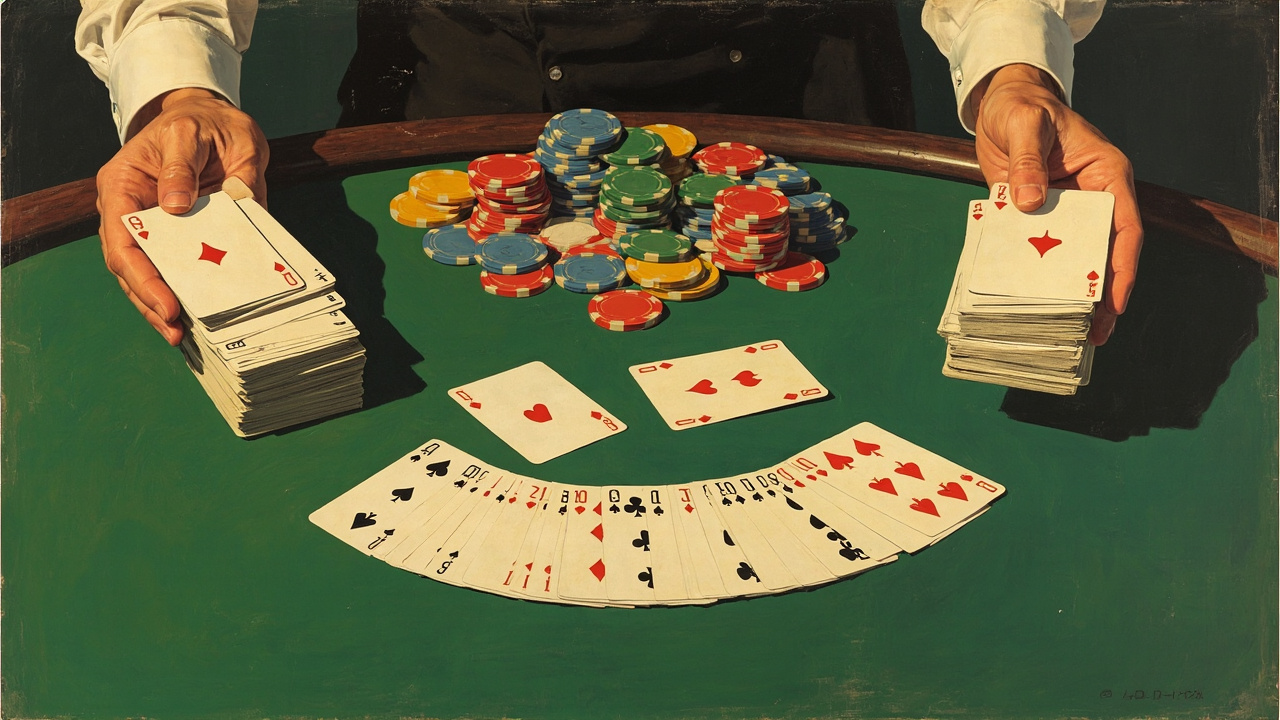
The deal sets the tone. Each player receives five cards face down, and after a quick look you decide whether to keep your hand or discard some cards for replacements. Standard five card draw poker rules let you drop up to three cards, or four if you are holding a pair – a small exception that matters more than people expect. In my experience running card rooms, the draw phase is where most hands are won or lost, not on the river. I have seen players overdraw on weak kickers and underdraw on a single card that would have turned a pair into something usable. Weigh whether your holding has real potential before you throw cards away, because every replacement costs you a chance to read the table.
Reading the hand rankings and the odds you actually face
Hand rankings in five card draw poker rules follow the same ladder you would see in other poker variants, but the draw changes how often those hands appear. A full house or better is rare enough that chasing it blindly is a fast way to bleed a stack. I have judged plenty of sessions where the smarter move was folding to a heavy bet rather than pretending a high card hand had hidden value. The odds are not complicated, but they are unforgiving. If you are sitting in a quiet room outside Mackay and the action gets busy as a weekend market, slow down. Count your outs, respect the draw, and do not let a decent starting hand talk you into a bad call.
| Key fact | Detail |
|---|---|
| Starting hand | Five cards dealt face down to each player |
| Draw limit | Up to three cards, or four with a pair |
| Hand rankings | Standard poker ladder, from high card to royal flush |
| Betting rounds | One after the deal, one after the draw |
| Showdown | Remaining players reveal hands after the final bet |
What this means for Australians at the table
For local players, the real decision is not just the rules but the setting. A proper card game needs clear limits, honest dealing, and a table where chip trays are weighed and counted to detect discrepancies. That kind of discipline is what separates a fair session from a messy one, and it is the same standard I apply when I assess any poker operation. Australians who want to play seriously should look for organised games with defined buy-ins, posted stakes, and a dealer or host who can explain the five card draw poker rules without rushing the room. If you are playing for fun on a weeknight, keep the stakes modest and the pace steady. If you are playing to sharpen your game, treat every draw as a small test of discipline rather than a lucky break.
Judging the game before you put money in
Before you commit, ask what kind of table you are walking into. I have worked across casinos, poker rooms, and affiliate deals long enough to know that a polished setup does not guarantee a good game, but a sloppy one almost always signals trouble. Check whether the stakes match your bankroll, whether the host can answer basic questions about the five card draw poker rules, and whether the room has a clear way to handle disputes. Lachlan Smith, Digital Acquisition Director, Harbour Bet Insights, has pointed out that players often overvalue a smooth interface and undervalue the actual table conditions, which is a fair caveat. A clean deal, honest chips, and a room where people wait their turn matter more than any fancy promise. Weigh those details first, then decide whether the game is worth your time and money.
If you want the plain version of five card draw poker rules, it comes down to this: deal five, decide what to keep, draw carefully, and bet only when your hand has a real shot. The game is old, but it still rewards players who think in small, honest steps rather than big guesses.