Wild Symbols Bonus Round Playbook For Australian Slot Fans



Wild symbols bonus round mechanics reward players who understand how a single replacement symbol can trigger a separate feature screen. In a well-built land-based cabinet or online reel set, the wild usually substitutes for regular icons but also doubles as the trigger for a free-spin or pick-me round. Australian players want clarity on how often that trigger lands, what the multiplier does, and whether the feature pays out in local currency without nasty rounding. This guide breaks down how a wild symbols bonus round is designed, tested, and localised for 18+ markets, with a focus on interface and everyday usability.
How A Wild Symbols Bonus Round Actually Works
A wild symbols bonus round starts with the base game’s trigger logic. Designers usually set a scatter or special icon count that, once hit, sends the player to a separate feature screen. In the feature itself, the wild often expands, multiplies, or adds sticky reels, and the maths team tunes the hit frequency so the round feels rewarding without blowing the game’s return-to-player target. For a Newcastle venue operator, that means the cabinet must display the trigger condition clearly on the help screen, not bury it behind three menu taps. The localisation layer matters just as much: currency formatting, language, and bet ranges need to match the market, so a $2.50 spin reads naturally rather than looking like a converted foreign denomination. When the feature pays, the payout should land in the same currency the player used to buy in, with no surprise conversion step. A clean interface here reduces support calls and keeps the session moving, which is exactly why production teams test the trigger messaging on both touchscreens and physical buttons before sign-off.
Step-By-Step: Reading A Wild Symbols Bonus Round As A Newbie
Start by finding the trigger rule on the game’s info screen, because that line tells you what symbol count or combination opens the feature. Next, check the wild’s behaviour inside the bonus, since some versions stick, multiply, or replace multiple symbols at once. Then look at the bet range and currency shown on the screen, because a feature that feels generous on a high stake can still be out of reach for a casual session. After that, note whether the round pays in the same currency you used to play, so you are not guessing at conversion rates mid-spin. Finally, watch the feature hit frequency over a short session and compare it to the help text, because the wording should match what you actually see on the reels. If any of those steps feel muddy, the interface is doing too much work and the maths is probably hard to follow. book of dead casino
Design Choices That Shape The Feature
Production teams usually decide whether the wild symbols bonus round is a free-spin screen, a pick-em panel, or a multiplier lane, and that choice drives the whole user experience. A free-spin layout tends to suit players who want a clear countdown and visible reel state, while a pick-me screen works better when the interface can show instant feedback on each selection. The visual identity needs to carry through from base game to feature, so the same colour language and icon style appear on the bonus meter, the win popup, and the paytable. Navigation should stay shallow: one tap to the help screen, one tap back to the game, and no dead ends where a player loses context of their stake or balance. Language and currency localisation also need to stay consistent, because a mixed presentation can make a simple feature feel confusing. When the feature is built for both land-based cabinets and online delivery, the same usability rules apply, just with different input methods and screen sizes.
Local Reality And The Maths Behind It
Regional internet and distance to a physical venue change how players actually experience a wild symbols bonus round. A player in a regional town might load a feature on a mobile connection that drops mid-round, so the interface needs to preserve state and show a clear recovery path rather than a blank screen. Distance to a physical venue also matters for land-based operators, because a Newcastle player who travels to a nearby venue still expects the same feature behaviour and currency presentation they saw at home. The maths side is where the production team earns its keep: the bonus trigger rate, the wild behaviour, and the payout structure all need to fit within the game’s overall return target while still feeling fair to a 18+ player. Sophie White, Head of Live Casino, Coral Coast Interactive, puts it plainly: “A wild symbols bonus round only feels fair when the trigger wording matches the actual hit rate, because players notice the gap fast.” Charlotte Patel, Chief Financial Officer, Kangaroo Point Analytics, adds a sharper caveat: “If the feature payout is not denominated in the same currency as the buy-in, the rounding alone can distort how a session reads.” Those two points are the kind of judgement calls that separate a polished release from a feature that looks good in a pitch deck but feels messy on the floor.
Designers must also balance latency thresholds with fair play guarantees, particularly when a session resumes after an unexpected drop. Consulting a trusted Australian connectivity resource like regional streaming standards can help teams benchmark those thresholds before launch. When the underlying network holds steady, the bonus round feels seamless and keeps players engaged through every cascading reel.
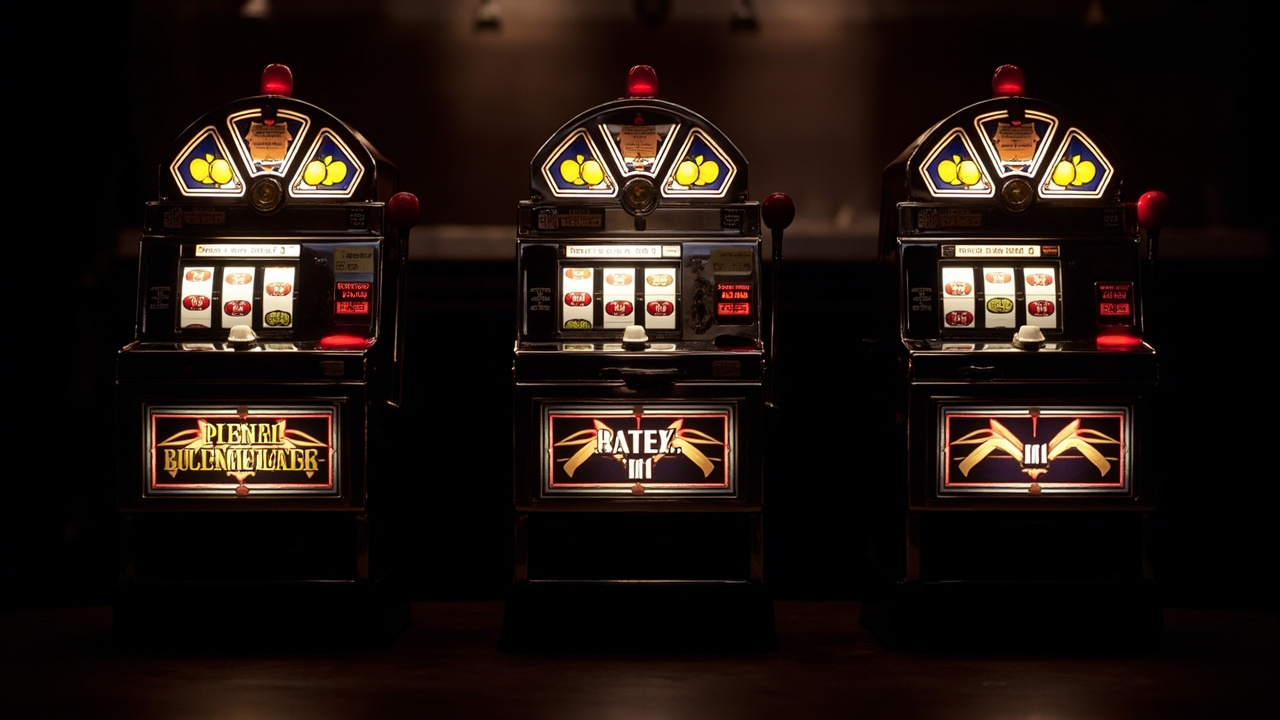
Wild symbols bonus round design is really about clarity, consistency, and a feature that behaves the way the help text promises. When the trigger, the wild behaviour, and the payout currency all line up, the interface stays readable and the session keeps moving. For Australian players, that means a feature that feels local, reads plainly, and does not hide its rules behind extra taps.